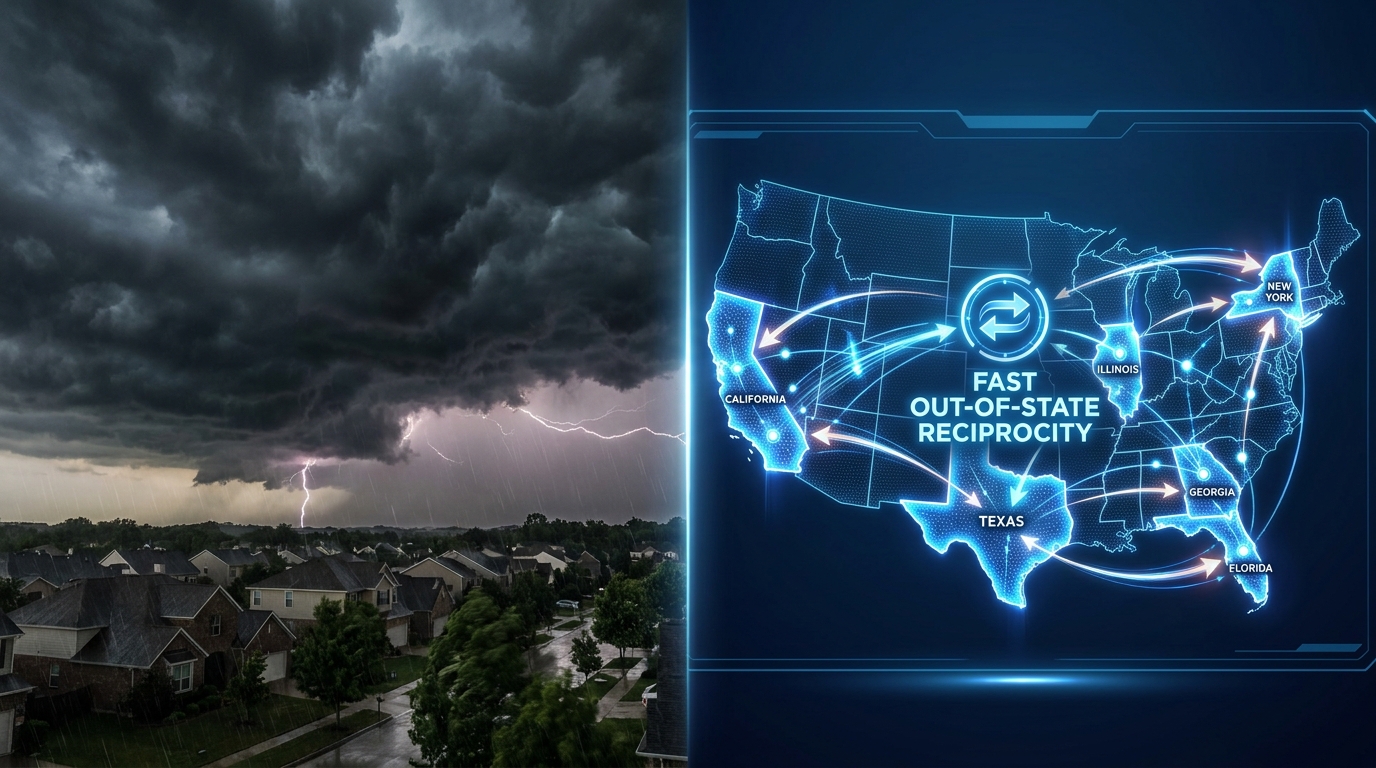
Maintaining an active public adjuster license is just as critical as earning it in the first place. You can possess unparalleled expertise in estimating structural damage, negotiating with insurance carriers, and interpreting commercial policies, but if your regulatory credentials expire, you are instantly sidelined. The bureaucratic machinery of state insurance departments does not pause for your busy schedule, and they certainly do not issue grace periods just because a Category 4 hurricane is making landfall.
From the vantage point of an Insurance Licensing Coordinator and CE Course Director, the most heartbreaking scenario is watching a highly skilled adjuster lose out on a massive storm deployment simply because they neglected their continuing education. Keeping your license active is not just a regulatory chore; it is the fundamental bedrock of your professional livelihood. Here is the definitive guide on navigating your state’s Continuing Education (CE) requirements, maintaining your compliance, and protecting your revenue stream.
The Two-Year Clock: Understanding Your Renewal Cycle
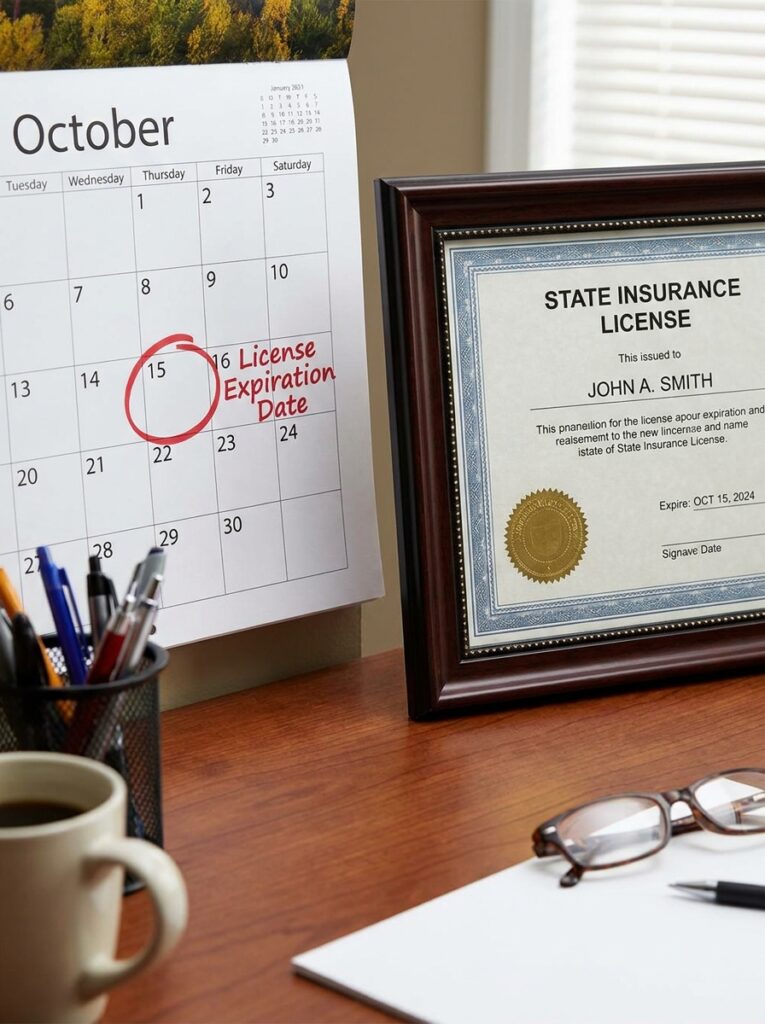
The moment your state Department of Insurance issues your public adjuster license, a countdown clock begins. While a few states have unique timelines, the vast majority operate on a strict two-year (biennial) renewal cycle. Depending on your specific jurisdiction, your expiration date is usually tied to either the exact date your license was initially issued or the last day of your birth month.
This two-year window is absolute. State regulatory bodies expect you to continuously upgrade your knowledge of insurance law, claims handling practices, and consumer protection regulations. It is entirely your responsibility to track this date. Many states no longer mail physical renewal notices; they rely entirely on automated emails that frequently get buried in spam folders. If you wait until the week your license expires to check your status, you are already too late. Providers require time to report your completed course credits to the state’s tracking system, and if that reporting is not processed before the deadline, your license will lapse.
Demystifying the Credit Hours: The 24-Hour Standard
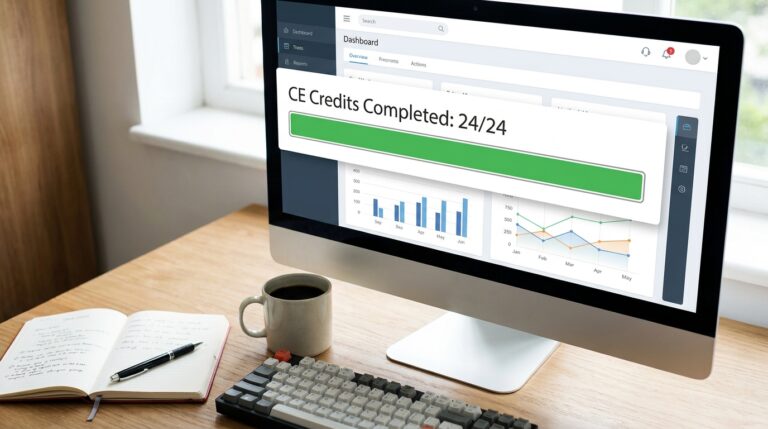
While every state dictates its own specific curriculum, the regulatory standard across major catastrophe markets is universally strict. To renew a public adjuster license in massive markets like Texas, Florida, and California, you are required to complete a total of 24 credit hours of approved continuing education every two years. New York requires 15 credit hours for every two-year licensing period.
However, you cannot simply take 24 hours of basic construction courses and expect your renewal to be approved. States heavily mandate specific categorizations for your credits:
-
State Law and Ethics Updates: Because public adjusters act in a fiduciary capacity and handle client funds, consumer protection is the state’s highest priority. Almost every jurisdiction requires a specific portion of your total hours to be dedicated to Ethics or State Law updates. For example, Texas demands that 3 of your 24 hours focus exclusively on ethics. Florida requires a mandatory 4-hour Law and Ethics Update specific to your public adjuster license type.
-
Line-Specific Electives: The remaining hours are generally considered elective credits. However, these electives must be approved specifically for public adjusters. Taking a course designed for life insurance agents will not count toward your property and casualty public adjuster requirements.
-
Classroom Equivalency: Some states mandate that a portion of your CE hours must be completed in a classroom or a “classroom equivalent” setting. Modern online platforms satisfy this by utilizing timed modules, interactive quizzes, and proctored final exams to ensure you are actively participating in the material.
The Financial Devastation of a Lapsed License
Letting your license expire is not a simple administrative error; it is a catastrophic financial event. If your renewal date passes and you have not completed your CE requirements, your public adjuster license is immediately suspended or canceled.
The financial consequences are immediate and severe. By law, you must immediately cease all claims handling activities. You cannot sign new client representation contracts, you cannot legally negotiate pending claims with insurance desk adjusters, and you cannot collect contingency fees on settlements finalized while your license is inactive.
If this lapse occurs during peak storm season, the devastation multiplies. Hurricane and wildfire seasons generate billions of dollars in commercial and residential property claims. If a major storm hits while you are frantically trying to complete 24 hours of coursework to reinstate your license, you will miss out on the most lucrative deployment window of the year. Furthermore, many states impose harsh financial penalties for late renewals. In Texas, for instance, failing to complete the required CE before expiration triggers a fine of $50 per deficient hour if completed within the 90-day grace period. Missing that grace period entirely often forces you to start the entire licensing process over, requiring a new background check, a new exam, and massive delays.
The Strategic Advantage of Online CE Platforms
In the past, completing 24 hours of CE required giving up entire weekends to sit in a hotel conference room listening to dry lectures. Today, elite public adjusters leverage comprehensive online, self-paced CE platforms to maintain their compliance without interrupting their active claims schedule.
As a Course Director, I strongly advocate for utilizing online platforms because they are engineered specifically for the active adjuster. These digital portals offer on-demand video modules and interactive text courses that you can access from your truck, your home office, or your hotel room on deployment. You can complete an hour of ethics training while waiting for a client to arrive at a property inspection, chipping away at your 24-hour requirement in small, manageable increments.
More importantly, top-tier online CE providers automate the most stressful part of the renewal process: state reporting. The moment you pass your final module exam, the online platform’s software instantly transmits your completion certificate directly to your state’s Department of Insurance database. This seamless integration guarantees your credits are logged quickly and accurately.
Maintaining your public adjuster license is the ultimate prerequisite for your success in the property claims industry. Do not treat continuing education as a burden; treat it as an investment in your operational readiness. Audit your expiration dates today, enroll in an accredited online CE program, and ensure your credentials are fully active long before the next catastrophic storm hits.
Regulatory Disclaimer: The continuing education (CE) requirements, renewal cycles, and compliance strategies outlined in this guide are for B2B educational and operational planning purposes only. They do not constitute formal legal, financial, or licensing advice. Department of Insurance regulations, mandatory ethics hour requirements, and state-specific CE guidelines change frequently. Always consult your specific state’s Department of Insurance or a licensed compliance coordinator to verify your exact continuing education requirements before your license expiration date.