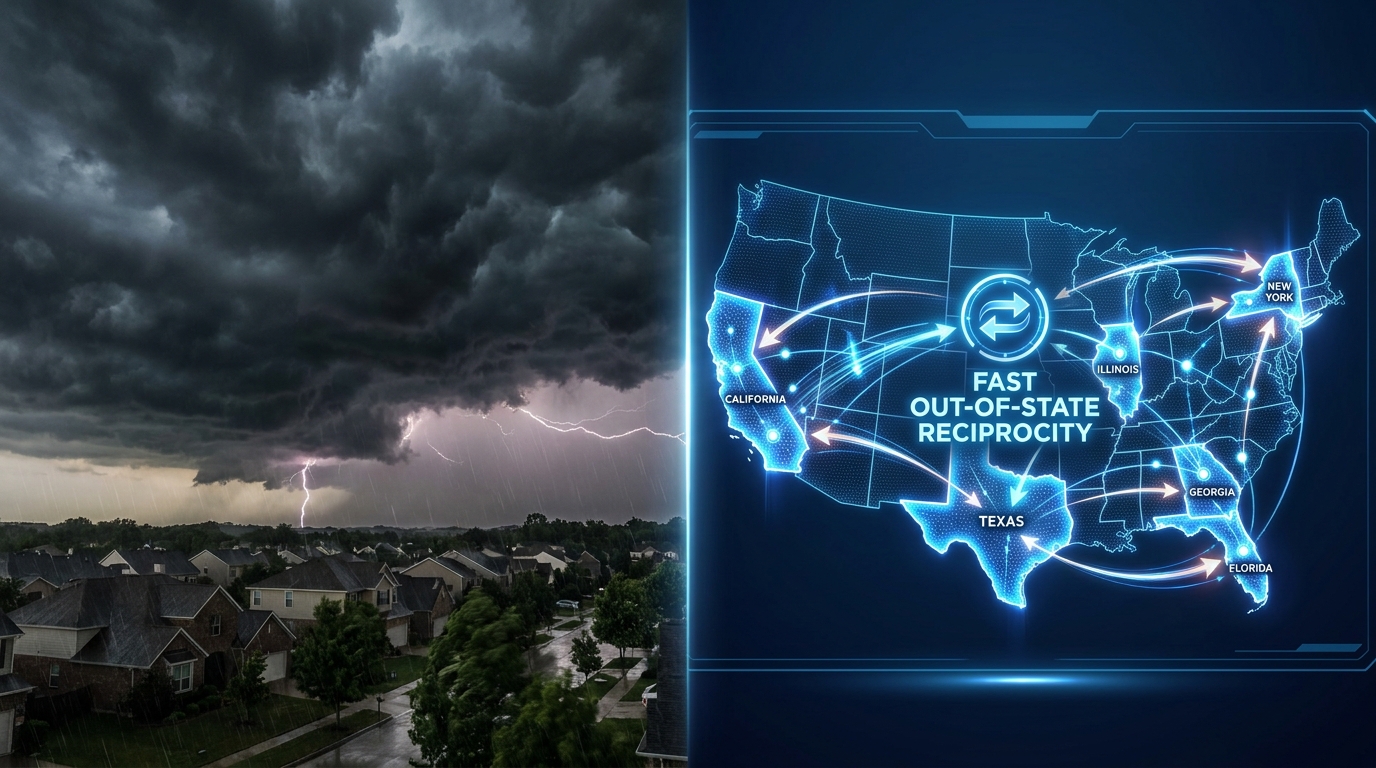
With the 2026 hurricane and wildfire seasons rapidly approaching, the demand for qualified, licensed claims professionals is projected to surge. Billions of dollars in property damage will occur, and commercial businesses and homeowners alike will need aggressive representation to navigate complex insurance policies. For ambitious professionals, this presents a highly lucrative career opportunity.
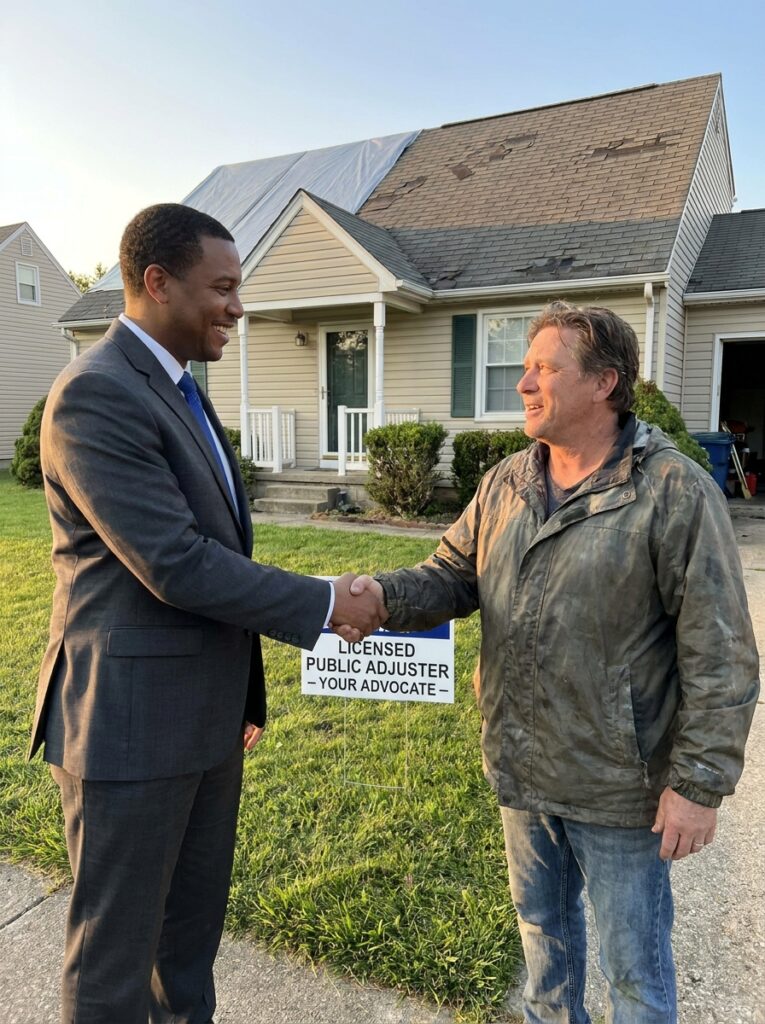
However, you must understand the distinction between industry roles. Unlike an independent adjuster or a staff adjuster who represents the financial interests of the insurance company, a public adjuster is the exclusive legal and financial advocate for the policyholder. Because you are handling consumer funds, negotiating legal contracts, and directly opposing multi-billion-dollar insurance carriers, the regulatory barrier to entry is exceptionally high.
If you want to capitalize on the upcoming storm season, you cannot simply print business cards and start knocking on doors. You must navigate a complex, highly regulated legal landscape. Here is the definitive, authoritative guide on public adjuster license requirements and how to strategically secure your credentials in 2026.
The Core Foundation: How to Become a Public Adjuster
While exact statutes vary by jurisdiction, almost every state requires a rigorous, multi-step process to prove your ethical standing and technical competency. If you are researching how to become a public adjuster, you must prepare to complete the following universal milestones.
1. Pre-Licensing Education Before you are legally allowed to sit for a state exam, many jurisdictions require you to complete a mandatory pre-licensing education course. These courses, ranging from 20 to 40 hours, immerse you in property and casualty insurance fundamentals, ethical guidelines, and contract law.
2. Passing the State Examination The public adjuster exam is notoriously difficult. You are not just tested on basic construction terminology; you are tested on your ability to read, interpret, and enforce complex commercial and residential insurance policies. You must master concepts like coinsurance penalties, actual cash value versus replacement cost, and the specific duties of the insured after a loss.
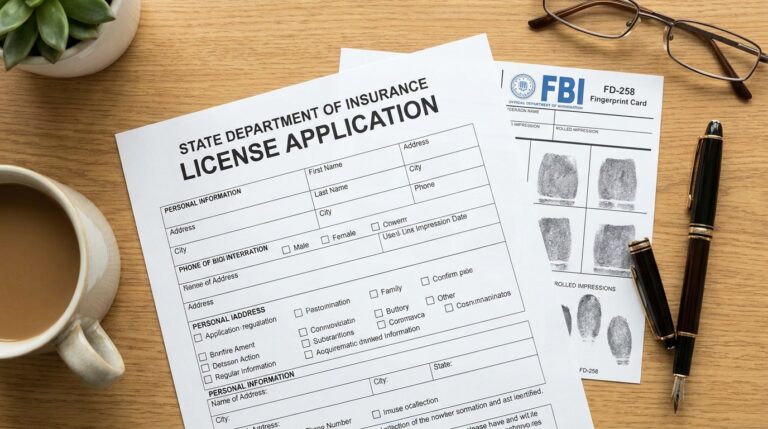
3. Background Checks and Fingerprinting Because public adjusters often handle massive settlement checks and have access to sensitive personal information, every state department of insurance adjuster division requires a flawless background check. You must submit your fingerprints to both state law enforcement and the FBI. Individuals with felony convictions involving fraud, embezzlement, or breach of trust are almost universally barred from holding a license.
4. Securing a Surety Bond You cannot manage client money without a financial safety net. Almost every state requires you to purchase and maintain a public adjuster surety bond, typically ranging from $10,000 to $50,000. This bond does not protect you; it protects the public. If you commit fraud or abscond with a client’s settlement funds, the state can levy against your bond to reimburse the victim.
Public Adjuster Licensing by State: 2026 Nuances
The most complex aspect of this career path is that public adjuster licensing by state is completely fragmented. Unlike independent adjusters who enjoy widespread reciprocity across dozens of states, public adjuster licenses are heavily guarded. Understanding your specific state’s barrier to entry is critical.
Florida: The Apprenticeship Mandate Florida represents the most lucrative hurricane market in the country, but it also has the strictest regulatory environment. You cannot simply pass a test and become a licensed 3-20 Public Adjuster in Florida.
The state legally mandates that you must first secure a 3-21 public adjuster apprentice license. You must then spend six continuous months working directly under the supervision of a licensed public adjuster, or you must hold a 6-20 All-Lines (Independent/Company) adjuster license for six months. Only after completing this mandatory apprenticeship phase and submitting a recommendation from your supervising adjuster can you sit for the full 3-20 public adjuster exam. If you want to work the Florida hurricane season, you must start this clock immediately.
Texas: The Direct Path Texas is a massive market driven by catastrophic hail, wind, and coastal storms. Unlike Florida, the Texas Department of Insurance does not require a formal apprenticeship phase. You can take a direct path to the license. However, the state compensates for the lack of an apprenticeship with an incredibly dense and difficult state exam that heavily tests Texas-specific consumer protection laws and unfair claim settlement practices. You must secure a $10,000 surety bond and pass the fingerprinting process before your license is active.
California and New York: The Experience Hurdle Coastal and high-density states like California and New York heavily restrict entry into the public adjusting field by requiring proven experience. California, for example, typically requires applicants to prove 2,000 hours of compensated experience in the insurance claims industry before they are even permitted to take the public adjuster exam. New York requires a highly scrutinized application process, a rigorous exam, and strict bonding requirements.
Non-Licensing States A small handful of states currently do not issue a specific public adjuster license. However, operating in these states requires extreme legal caution. You must strictly adhere to unauthorized practice of law (UPL) statutes, ensuring you are only estimating damage and not giving legal advice or negotiating the legal interpretation of a policy, which is reserved for licensed attorneys.
Timing Your Entry for Hurricane Season
If your goal is to represent commercial property owners and homeowners during the peak late-summer hurricane season, your timeline starts now. The bureaucratic machinery of state government moves slowly.
Between completing your pre-licensing education, scheduling a proctored exam, waiting for the FBI fingerprint background check to clear, and securing underwriting approval for your surety bond, the entire process can easily take 60 to 90 days. If you wait until a named storm enters the Gulf of Mexico to start your application, you will miss the entire season.
Becoming a public adjuster is not a side hustle; it is a highly specialized, intensely regulated profession. You are the ultimate equalizer for the policyholder against massive corporate insurance carriers. Audit your state’s specific requirements today, secure your surety bond, and begin your licensing education to position yourself as an elite advocate in the 2026 property claims market.
Legal Disclaimer: The licensing requirements, state regulations, and educational pathways discussed in this guide are for informational and educational purposes only. They do not constitute formal legal, financial, or career advice. Department of Insurance regulations, surety bond minimums, and exam structures change frequently. Always consult directly with your specific state’s Department of Insurance or a licensed compliance consultant to verify current public adjuster licensing criteria before submitting applications or paying fees.